LS1–LS20, LS24–LS28 · West Yorkshire
Surveyors in Leeds. Read before you buy.
The biggest market in the radius — and some of its most misunderstood housing stock.
We aim to reply within one working day.
- Spine wall
- Party walls
- Single-aspect house
- Street both sides
- Coverage
- LS1–LS20, LS24–LS28
- Surveys
- Level 1 · 2 · 3
- Fixed fees
- Level 2 from £335 Level 3 from £570
- Regulated
- RICS firm no. 9317773
Independent building surveyors providing RICS Home Survey Level 2 (formerly the HomeBuyer Report) and Level 3 reports across Headingley, Chapel Allerton, Roundhay, Moortown and the wider LS1–LS20, LS24–LS28 area, from Mills Building Consultancy, based in Huddersfield, West Yorkshire.
The local housing stock
Houses in Leeds: what they are and how they behave.
01The housing stock
LS1–LS20, LS24–LS28+
Leeds runs the full range: brick back-to-backs in Harehills, Beeston and Armley (a housing type the city kept longer than almost anywhere), Victorian terraces through Headingley and Hyde Park, generous 1930s semis in Roundhay and Moortown, stone villages swallowed by the suburbs like Horsforth, and a large new-build and conversion market in and around the centre.
02What this stock typically shows
Common defects+
Back-to-backs raise their own questions — single-aspect ventilation, shared structures, and decades of piecemeal alteration. The Victorian terraces typically show solid-wall damp, bay movement and roof spread; in the older suburbs, extended semis where the junction between old and new work is the weak point.
03Which survey level — honestly
Level 2 vs 3+
Back-to-backs, Victorian terraces and anything significantly extended or altered justify a Level 3. The classic 1930s semi in reasonable order is usually well served by a Level 2. Full scope of each level: Level 2 survey and Level 3 survey. Or start with which level do you need?
Not sure which level fits? Send the address or the listing and we will confirm the right level, and a fixed fee for that house, before you commit.
From the survey archive
Brickwork, pointing and rainwater goods.
Missing mortar at the base of a wall, a taped downpipe joint, separated gutter sections and spalled brickwork beside an air brick, from our survey archive. These are examples from our wider survey work, not photographs of a property in Leeds.
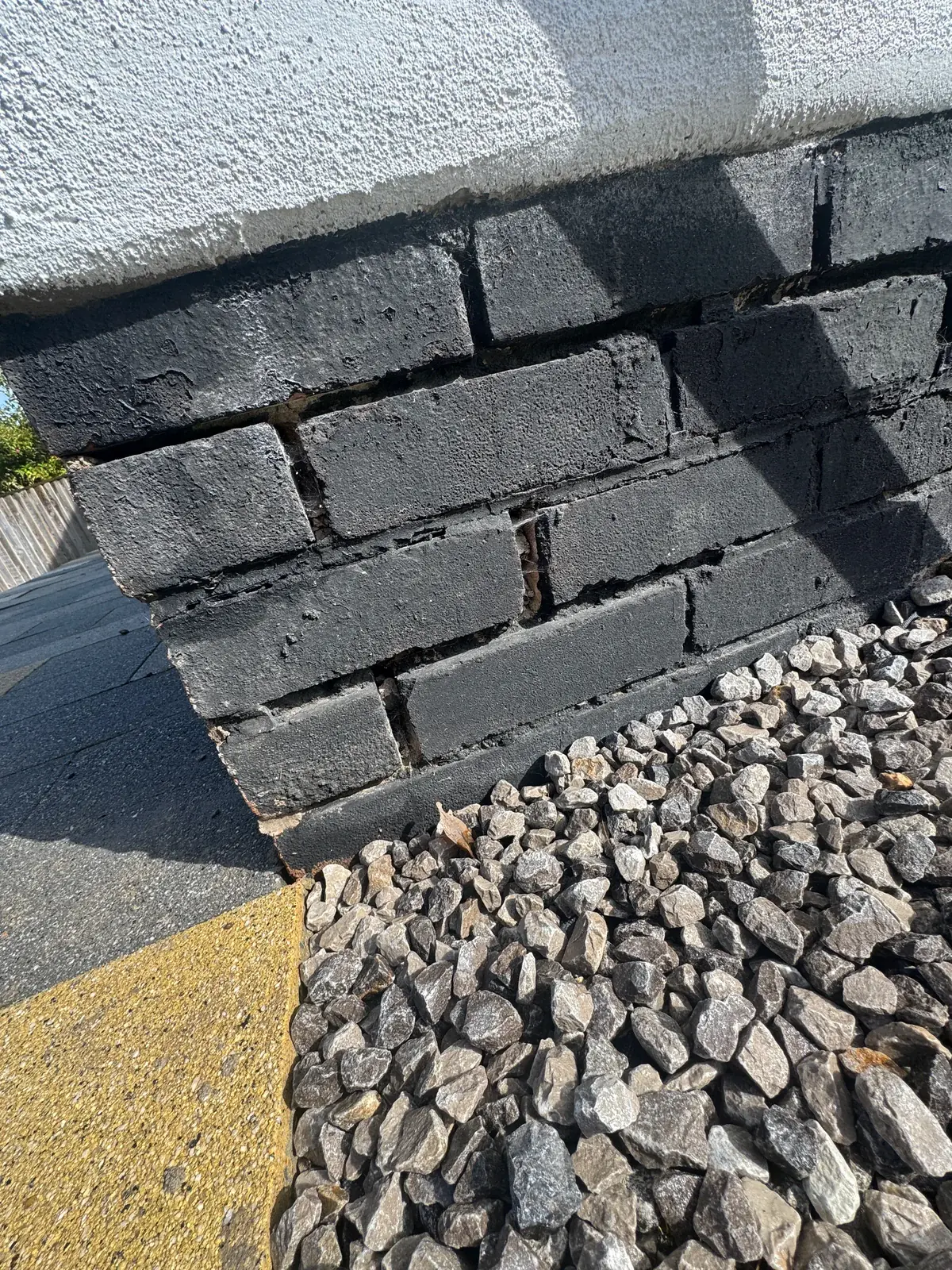
Missing mortar at the wall base
Missing mortar between the painted brickwork beneath the render.
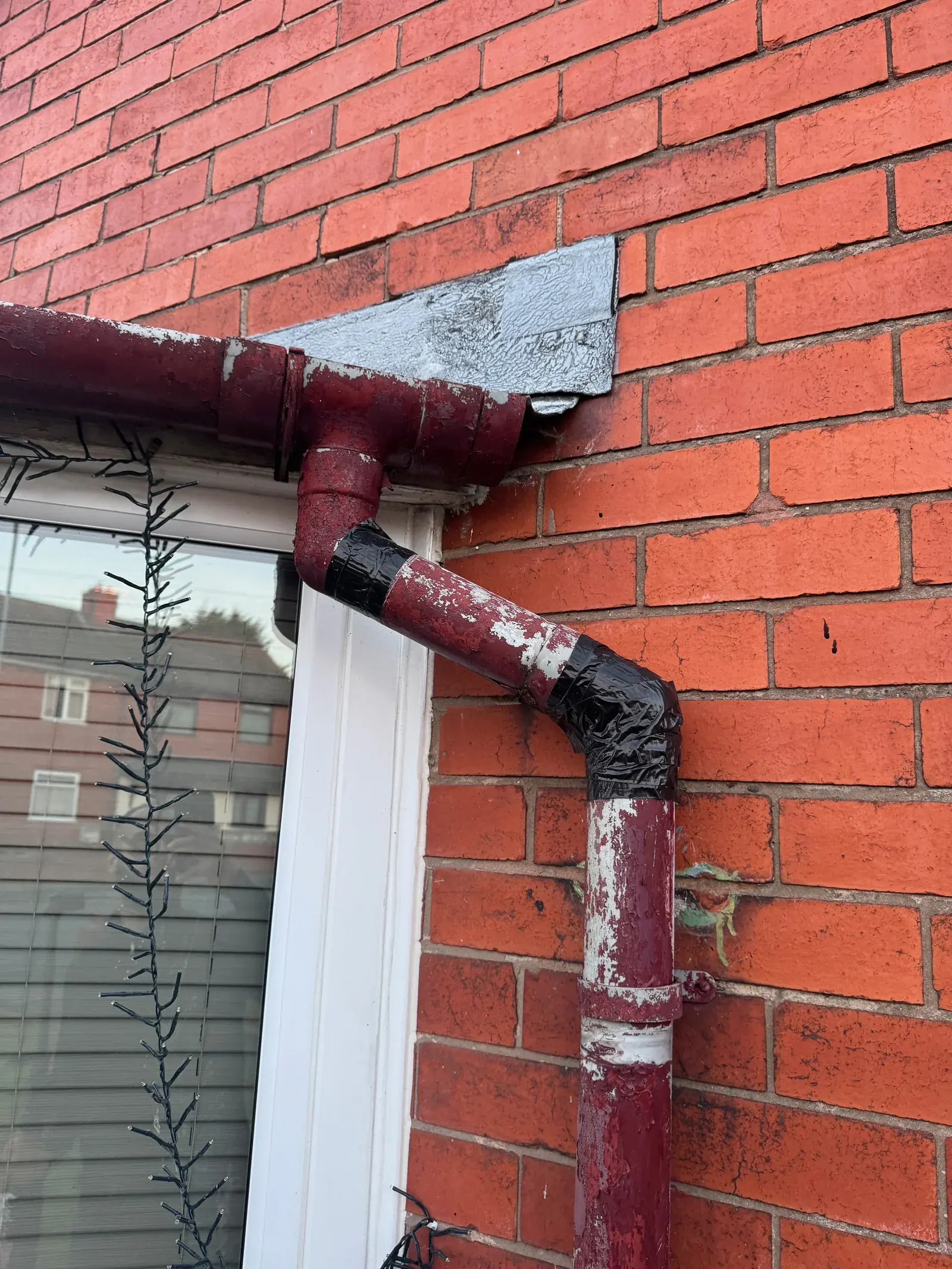
Tape around a downpipe joint
Black tape wrapped around a downpipe bend.
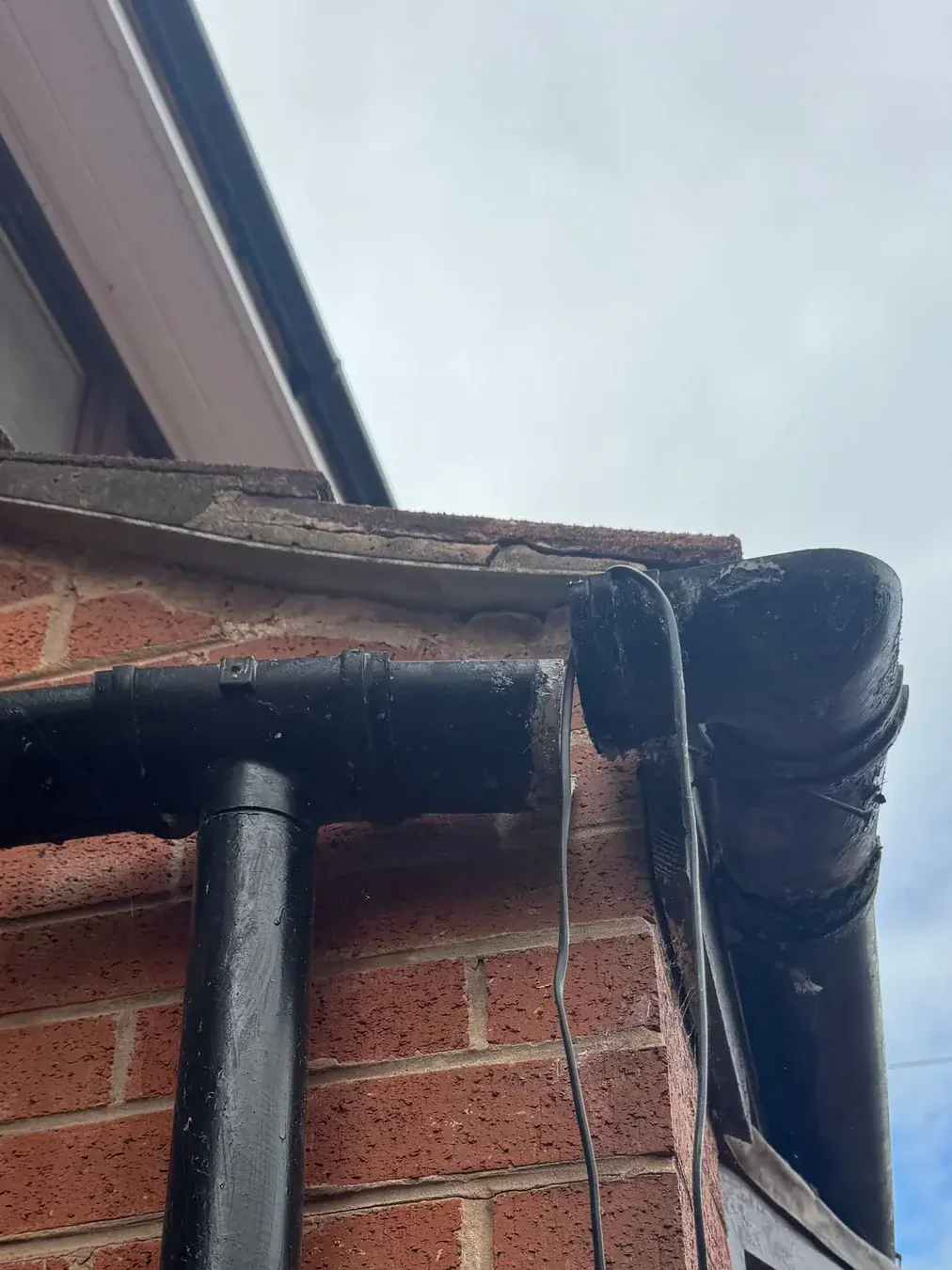
Separated gutter sections
Separated gutter sections at a corner, leaving an open end beside the outlet.
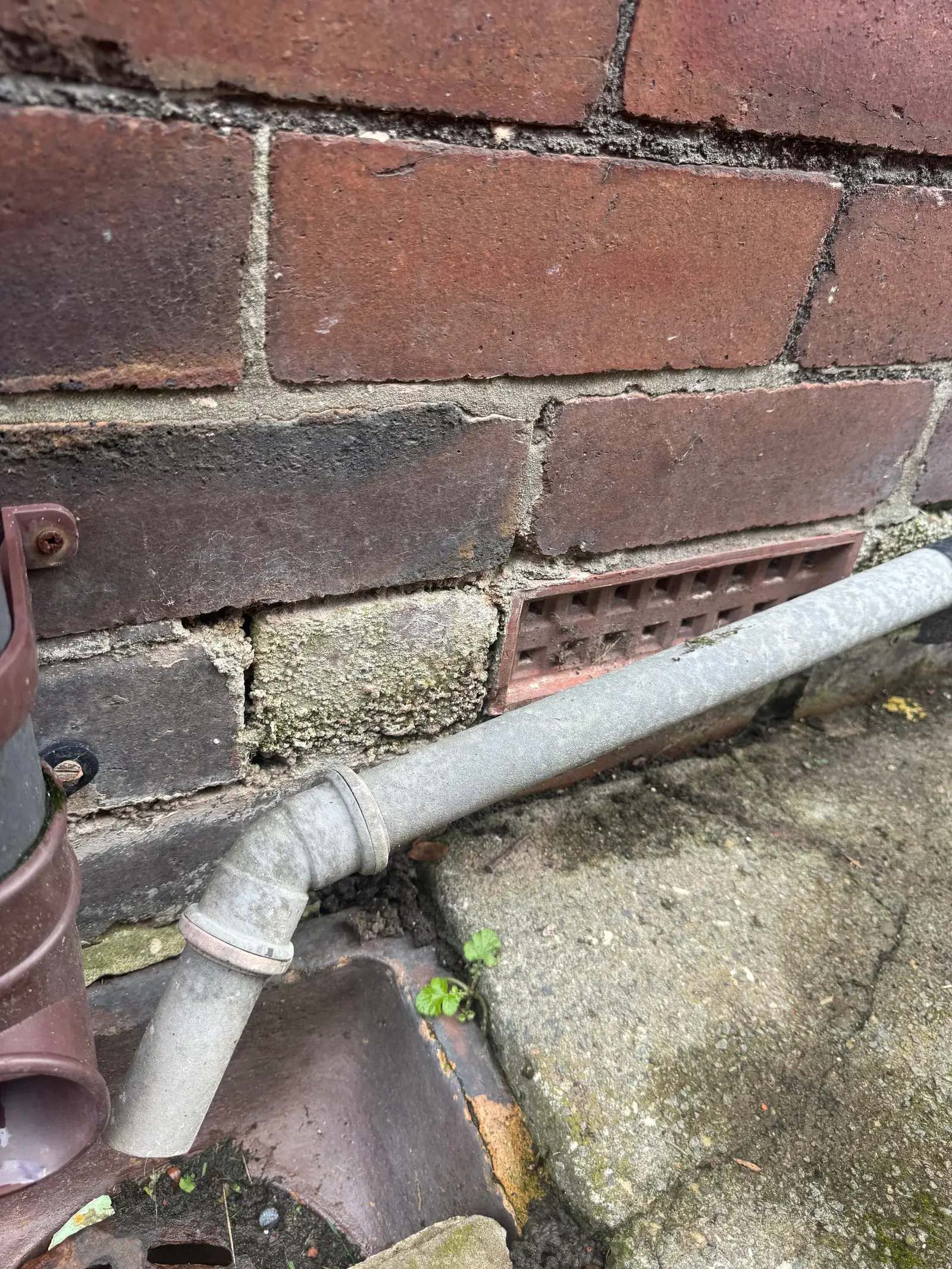
Spalled brickwork beside an air brick
A spalled brick face beside an air brick, with missing mortar in nearby joints.
Photographs from our survey archive.
Explore the full photograph collectionWho does the work
We handle every survey ourselves. Mills Building Consultancy is an RICS-regulated firm (no. 9317773). Our surveyors are qualified professionals: members of the Royal Institution of Chartered Surveyors (RICS) and the Chartered Institute of Building (CIOB), and our damp and timber surveys are carried out by a PCA Qualified Technician (Damp and Timber Buildings). Complaints have independent redress through The Property Ombudsman. No call centres and no lead-selling: your survey stays with us.
Common questions · Leeds
Asked before booking.
How much is a house survey in Leeds?
A Level 2 survey starts from £335 and a Level 3 survey from £570. The fee is fixed by three things only: the purchase-price band, the property type and whether the home has four or more bedrooms. Larger houses in areas like Roundhay or Headingley usually sit in a higher price band, which is what puts their fee further up the table. Age, construction and condition change which level we recommend, not the fee. The survey cost calculator shows the fee for your property in seconds, and we confirm it in writing before you commit.
Do you survey Leeds back-to-back houses?
Yes — and they are a good example of why local knowledge matters. Back-to-backs behave differently from conventional terraces (ventilation, shared structures, alteration history), and we survey them as what they are rather than forcing them through a standard checklist.
Which areas of Leeds do you cover?
LS1 to LS20 and LS24 to LS28 — from the city centre through Headingley, Chapel Allerton, Roundhay and Moortown to Horsforth, Pudsey, Morley and the surrounding villages. Wetherby and Boston Spa (LS22 and LS23) and Otley and Ilkley (LS21 and LS29) have their own pages.
Is a Level 2 enough for a 1930s semi in Roundhay or Moortown?
Usually, yes, if it is in reasonable order and has not been heavily altered. Where it has been extended, the junction between the original house and the new work is often the weak point, and a Level 3 explains the construction, how defects have arisen and the repair options, which is worth having on an altered house. Tell us about any extension when you ask for a quote and we will recommend the level.
House survey cost calculator What a house survey costs See a sample report Request a quote
Local reading · Leeds
Guides for buyers in Leeds.
Matched to the kind of houses you’ll be viewing in Leeds — what to look for, and what to ask.
- Rising damp, condensation or penetrating damp? How to tell the difference
- Roof spread and sagging roofs: causes, signs and how serious they are
- Horizontal, vertical and diagonal cracks in walls: what each one means
- Snagging surveys: what new-build buyers need to know
- Japanese knotweed and buying a house: how to spot it and what the survey says
- Using your survey to negotiate: what actually works
- House viewing checklist — print it or tick it off on your phone.
- How old is my house? — date a house in Leeds from its walls, windows and roof.
- Japanese knotweed identification — check a suspect plant in the garden or next door.
Before you buy in Leeds
Five official checks worth doing.
Alongside the survey and your conveyancer’s searches, these official sources tell you a lot about a property in Leeds in minutes:
- Check long-term flood risk — the Environment Agency’s map of flood risk from rivers, surface water and more (GOV.UK).
- Radon maps — UKHSA’s check on whether the area is affected by radon, a natural gas from the ground.
- Coal mining information — the Mining Remediation Authority (formerly the Coal Authority), for property in former mining areas.
- Find an energy certificate — the property’s EPC rating and recommended improvements (GOV.UK).
- Search the listed buildings register — whether the property or its neighbours are listed (Historic England).
It’s also worth checking the council’s planning records for past extensions and alterations. Here they’re held by Leeds City Council. Those records tell you what’s been approved; the survey tells you what they can’t — the actual condition of the building.
Coal mining and the mining report
Leeds lies on the Yorkshire Coalfield, where coal was worked south of the city centre for centuries. Not every street was undermined, and most cracking in older houses has ordinary causes, but a recorded mine shaft or shallow workings nearby change what a crack or a sloping floor means. Start with the free postcode check from the Mining Remediation Authority (formerly the Coal Authority), the coal mining link in these checks. If the property is in a coal mining reporting area, your conveyancer can order a coal mining report (often called a CON29M): it interprets the official records for that address, including past, present and future underground and opencast coal mining, recorded mine entries such as shafts, and past coal mining subsidence claims. The survey then reads any movement in the building against what the report shows.
Buying in Leeds?
Know the building first.
Fixed fee for the specific property, quoted before you commit. Tell us the address and your timescale — we will confirm the right survey level and the earliest inspection date.
Level 2 from £335 · Level 3 from £570
We aim to reply within one working day.
- RICS-regulated firm no. 9317773
- The Property Ombudsman
- Professional indemnity insured
- Read our reviews on Google