New-build owners · years 3–10

Past the developer’s two years? Evidence still matters.

Once the developer’s two-year period ends, the route for most defects changes.

For
Owners of homes under ten years old
Fee
Fixed quote before you commit
Defects investigation: a ceiling crack traced to over-notched joists in the floor aboveExploded isometric of a first floor between two walls. Two floorboards are prised up and tilted clear to show the joists notched about half their depth at mid-span to carry two heating pipes, far deeper and further from the supports than a joist can take. Below, the ceiling of the room underneath sags slightly and has a crack running directly under the notches; dashed lines trace the crack up to its cause. A close-up circle shows one joist in elevation: the notch with the two pipes at its bottom, the D/8 depth limit dashed far above it, and a split running from the notch corner.Notched joistD/8 limitHeating pipesCeiling crack
  • Notched joist
  • D/8 limit
  • Heating pipes
  • Ceiling crack
  1. Notched joist
  2. D/8 limit
  3. Heating pipes
  4. Ceiling crack
Fig. 1 · Defect traced to its causeIllustrative. Defects investigation: a ceiling crack traced to over-notched joists in the floor above.

01 · The brief

From a defect to a case someone has to answer.

We find the cause and set it out in a report you can put forward.

Structural problems usually go to the warranty provider, and the evidence you bring decides how seriously the claim is taken.

Under the New Homes Quality Code and the main warranties, the developer puts right snags and defects in the first two years. After that, most warranties move to an insurance period that runs to year ten and covers narrower ground. That is mainly physical damage caused by defects in specified parts of the home, such as the foundations, structure, roof and floors. The details vary by provider and policy, so your own policy document decides what is covered.

Either way, a claim or complaint is judged on evidence. A report separates the symptom from the cause, shows what was measured and photographed, and says what the defect is and is not. That gives the warranty provider, the developer or an ombudsman something concrete to respond to.

The situation

  1. Cracking, movement, a sagging roof or a floor that has started to slope in a home under ten years old
  2. Damp or water getting in that the developer said was “drying out” but has not stopped
  3. A warranty claim has been turned down and you want an independent technical view
  4. You are still inside the two years and want everything recorded before the deadline
What you receive

  1. An inspection of the defect and the construction around it
  2. A cause-focused diagnosis, with what was observed kept separate from what is inferred
  3. Photographs, measurements and, where useful, aerial images of the roof
  4. A written report you can put to the developer, the warranty provider or an ombudsman

Terms of reference

What we do not do

  • Legal advice, including on claims against the developer under the Defective Premises Act 1972: a solicitor advises on that
  • Making or negotiating the claim for you: you stay in control, armed with independent evidence
  • Structural engineering calculations or repair design: where those are needed, the report says so

02 · The right service

Services for this situation

From the survey archive

Details in newer construction.

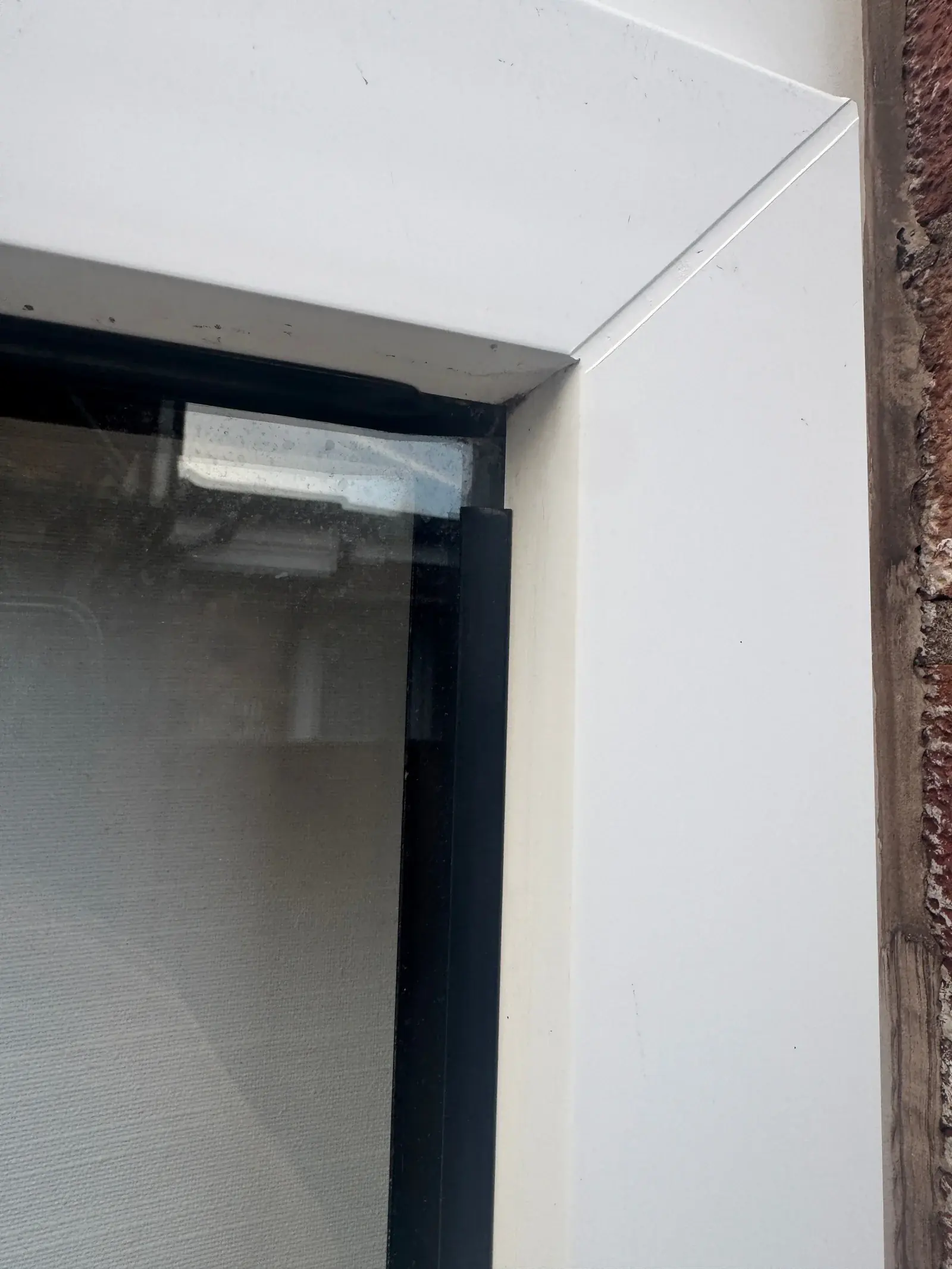
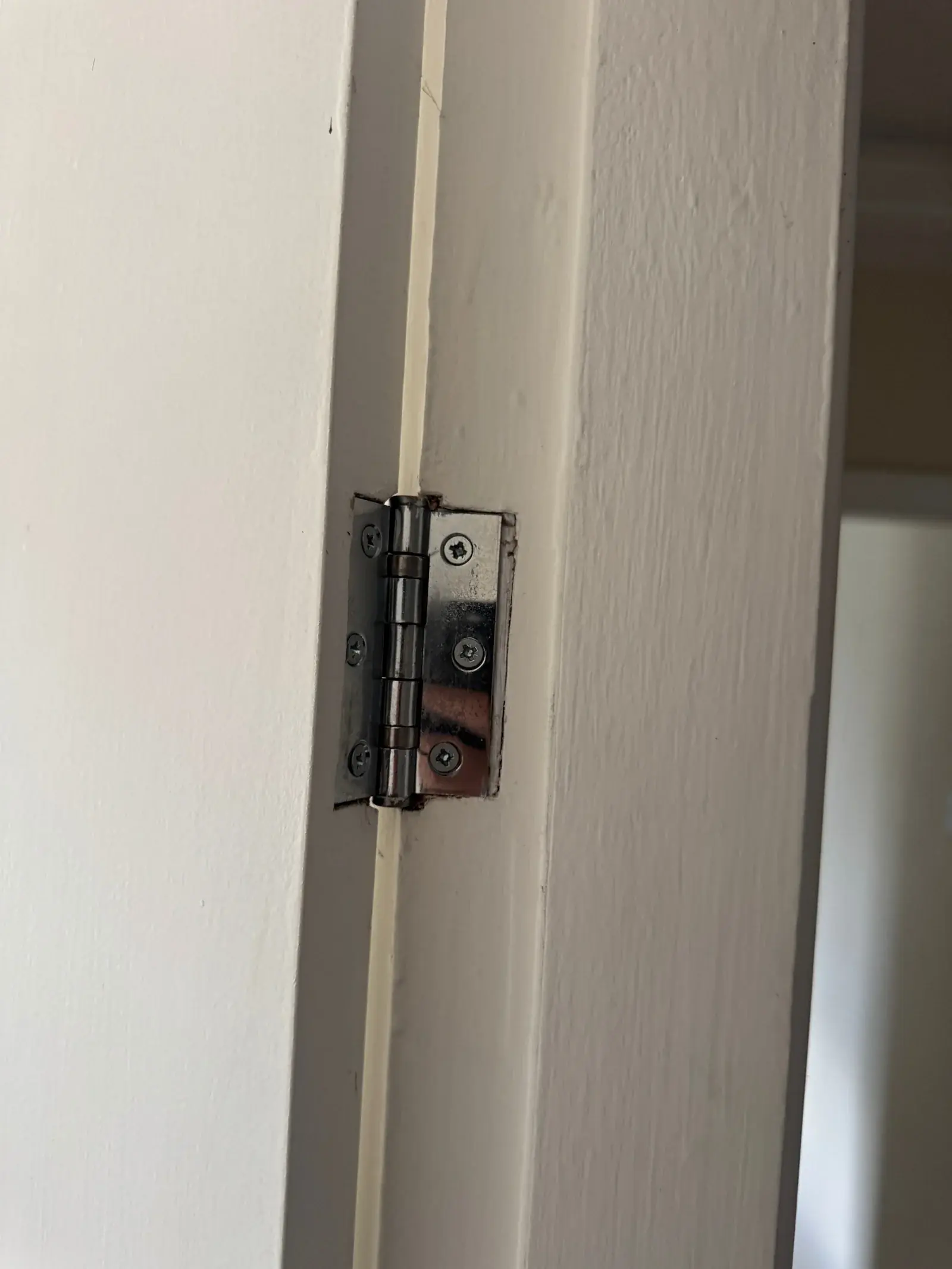
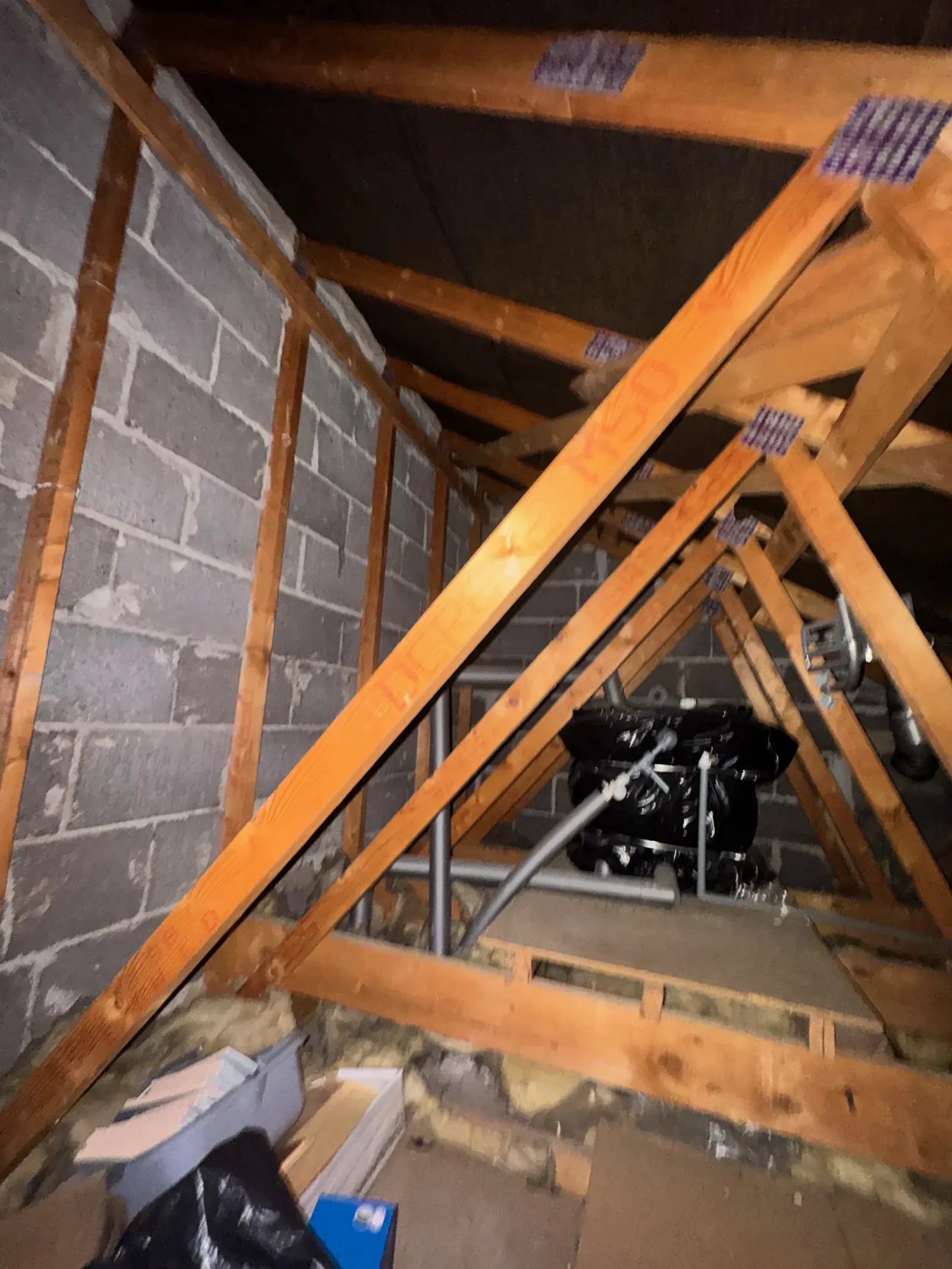
Timber roof trusses with connector plates, a gap at a glazing gasket and cracking beside a door hinge, from our survey archive. They are examples from our wider survey work.

Triangular timber roof trusses with metal connector plates in a roof space.

Timber roof trusses and connector plates

Timber roof trusses joined by metal connector plates.

A black glazing gasket has pulled back from the corner of a white window frame, leaving a visible gap.

A gap at a glazing gasket corner

A gap where the black glazing gasket has pulled back from the frame corner.

A fine crack extending above the hinge recess in a painted internal door frame.

Cracking beside a door hinge

A fine crack extending up from the hinge recess in a painted door frame.

Photographs from our survey archive.

Explore the full photograph collection

Survey photograph

Survey archive photograph

04 · Method

How the routes usually run.

Check your own policy and the code your developer signed up to: they set the deadlines.

  1. Step 1

    Years 1–2: the developer

    Report defects to the developer in writing. If they are not resolved, a developer registered with the New Homes Quality Board has a complaints process, and the New Homes Ombudsman Service can take complaints after it.

  2. Step 2

    Years 3–10: the warranty provider

    Claims for damage caused by defects in the covered parts of the home go to the warranty provider. Policies set out what is covered, any minimum claim value and how to claim.

  3. Step 3

    A claim is declined

    Ask for the reasons in writing and use the provider’s complaints process. For an insurance-backed policy, the Financial Ombudsman Service may be the next step.

  4. Step 4

    Independent evidence

    At any stage, a report on the cause gives you something concrete to put forward, and tells you honestly when the evidence supports the other side.

05 · Before you book

Questions worth answering first.

Scope, fees and limits, explained before they become surprises.

Is a crack in a three-year-old house a warranty claim?

Not always. Fine cracks from drying shrinkage are common in new homes and are not usually structural. Cracking that is wide, growing, or comes with doors sticking and floors sloping needs investigating. The report says which it is and why.

Can I still complain to the New Homes Ombudsman after two years?

The New Homes Ombudsman Service deals with complaints about developers registered with the New Homes Quality Board, mainly about issues that arise within the first two years. Check the code and the ombudsman’s own eligibility rules for your home. After that, structural defects usually go to the warranty provider.

Will you deal with the warranty provider for me?

No. You make and manage the claim; we provide the independent technical evidence. That keeps the report objective, and it is also how we keep within the rules on who can handle claims for someone else.

What if the evidence supports the developer?

Then the report says so, before you spend more money contesting it. That candour is what makes the report credible when it does find a defect.

Another question? Call 01484 218579 or Request a quote.

Our clients review us on Google rather than on this site. Read our reviews on Google 

06 · Read next

Guides for this situation

A defect after year two?

Tell us what has gone wrong, and when.

Send the address, the build date and what the developer or warranty provider has said. You will get a fixed quote for the investigation.

Fixed quote before you commit

We aim to reply within one working day.